-

-
 0
0
0Are you ready to dive into the flavorful world of homemade kimchi? Whether you’re a kimchi lover or new to fermented foods, making kimchi at home is a rewarding process that lets you control flavor, spice, and crunch. This guide will show you how to make authentic kimchi from scratch, breaking down the ingredients, techniques, and tips to make your fermentation journey successful. Let’s get started!
Kimchi is a symphony of flavors—spicy, tangy, umami-rich, and even a little sweet. To create this balance, you’ll need these core ingredients:
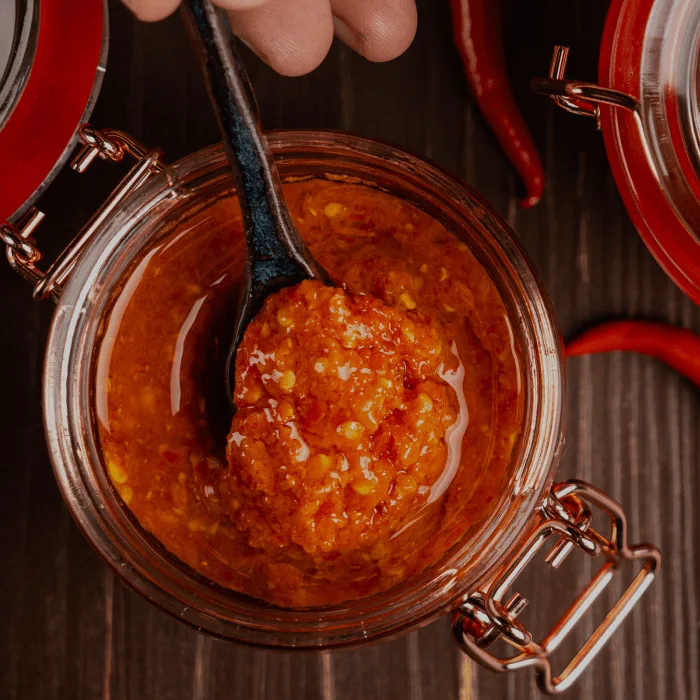
Gochugaru, or Korean red pepper flakes, is not just there for heat—it’s the soul of authentic kimchi. The flavor profile of gochugaru is unique: it provides a warm, fruity spice that is milder than other chili flakes, making it perfect for creating the signature heat without overwhelming the other flavors. The fine texture also ensures an even coating on the cabbage, allowing the spice to penetrate deeply during fermentation. In addition to flavor, gochugaru gives kimchi its vibrant red color, making the dish visually appealing and unmistakably Korean.
Before we dive into making the paste, the cabbage needs to be prepped to ensure proper fermentation.
After brining, rinse the cabbage thoroughly to remove excess salt, ensuring it’s ready for the next step.
This spicy, flavorful paste is what transforms cabbage into kimchi. Here’s how to make it:
Now that your paste is ready, it’s time to coat the cabbage.
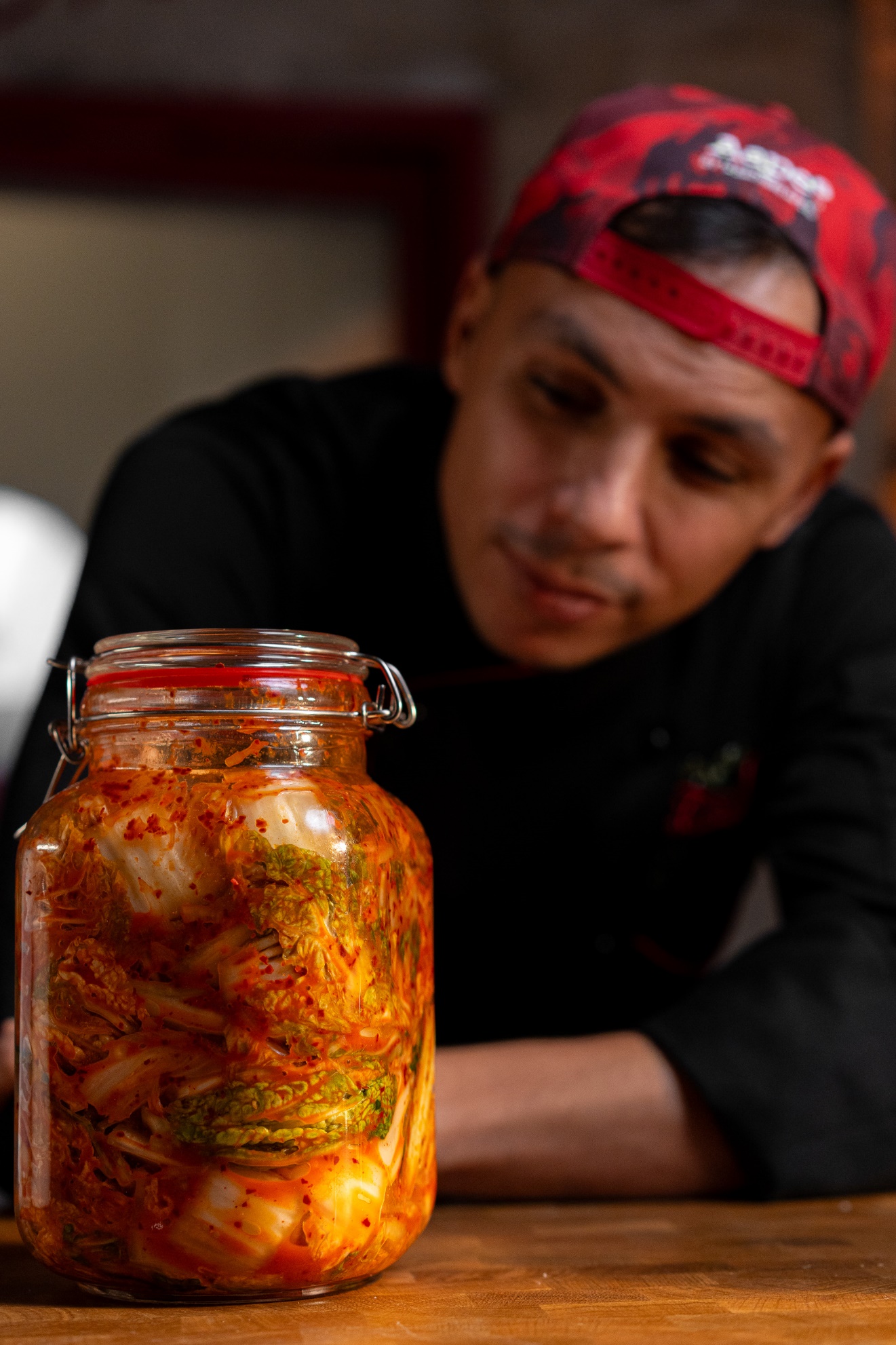
Fermentation is where the magic happens. How long you allow your kimchi to ferment will greatly impact the flavor:
Taste your kimchi as it ferments and decide how funky you like it! Once it reaches your preferred flavor, transfer the jar to the fridge to slow down the fermentation process.
Kimchi is a flavor bomb. Here’s what you’ll taste in a well-made batch:
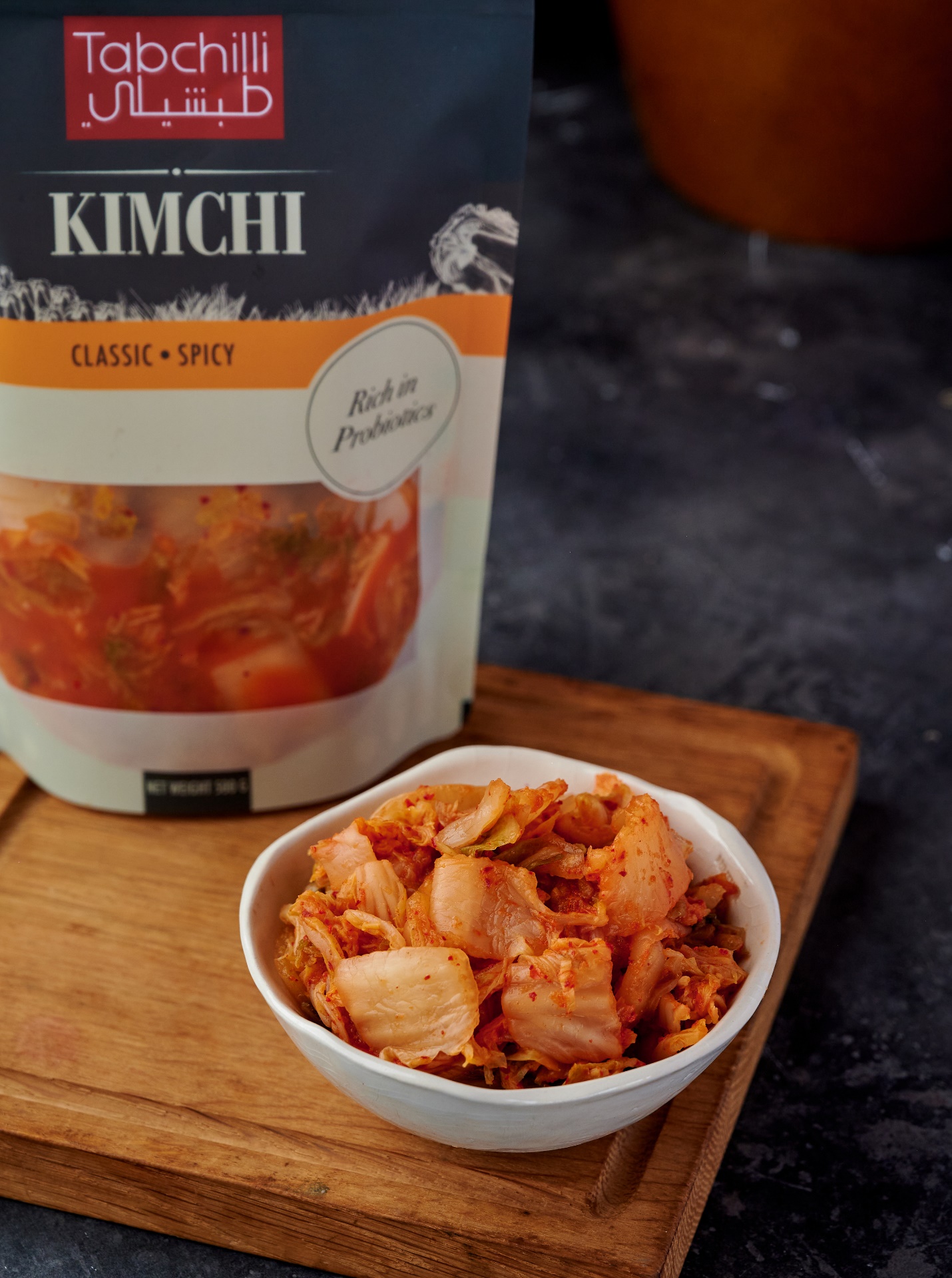
Now that your kimchi has fermented to perfection, it’s time to dig in! Use it as a side dish, throw it into soups, top your rice bowls, or even use it in tacos—kimchi is incredibly versatile. Plus, every bite is loaded with probiotics, giving your gut some well-deserved love.
If you’re in Dubai and eager to try your hand at making kimchi, you’re in luck! Tabchilli offers high-quality, locally sourced ingredients perfect for fermentation. Visit local Asian markets or specialty stores in Dubai, or get everything you need from Tabchilli’s workshops.

At Tabchilli, we pride ourselves on producing authentic, probiotic-rich kimchi using traditional Korean fermentation methods. Whether you want to perfect your own batch by attending one of our kimchi-making workshops or prefer to buy a jar of our fermentation kits, we’ve got you covered. Our artisanaly made kimchi is bursting with flavor and ready to elevate your meals while improving your gut health.
Kimchi is not just a dish; it’s a vibrant expression of culture, tradition, and health. Often seen as a simple side dish of spicy fermented cabbage, kimchi is much more diverse than most people realize. In fact, there are over 100 varieties of kimchi, each offering distinct flavors, textures, and health benefits. From regional specialties to innovative modern versions, kimchi’s versatility makes it a food that can appeal to a wide range of palates.
As kimchi’s global popularity rises, Dubai has embraced this Korean classic, not just as a flavorful addition to meals but also as a symbol of wellness and probiotic health. Let’s explore some of the most popular types of kimchi and how each one offers a unique experience for your taste buds—and your gut.
When people think of kimchi, they’re most likely thinking of Baechu kimchi, the classic fermented napa cabbage variety. This traditional kimchi is made by salting napa cabbage, then coating it in a rich paste made from gochugaru (Korean red pepper flakes), garlic, ginger, and fish sauce.
Baechu kimchi is the cornerstone of Korean cuisine because it’s packed with probiotics and delivers a burst of umami, spice, and tang. The gochugaru gives it a fruity, mild heat that develops complexity during the fermentation process. The fish sauce provides depth, aiding in fermentation by introducing enzymes that foster the growth of beneficial bacteria, which transform the cabbage into a probiotic powerhouse.
This is the kimchi you’ll find in most Korean households and restaurants. It’s bold, spicy, and brimming with flavor. But don’t let its fiery reputation intimidate you—Baechu kimchi is beloved for its balance of heat and savory notes, making it a versatile side that pairs well with just about anything, from rice to grilled meats. The probiotics in Baechu kimchi aren’t just good for your digestion; they also help boost immunity and reduce inflammation.
For those who want something with more crunch, Kkakdugi is the go-to. Made from Korean radish (daikon), Kkakdugi provides a firmer, more textured bite compared to its cabbage counterpart. The radish’s natural sweetness marries beautifully with the spicy gochugaru paste, creating a delightful mix of sweet, spicy, and tangy flavors.
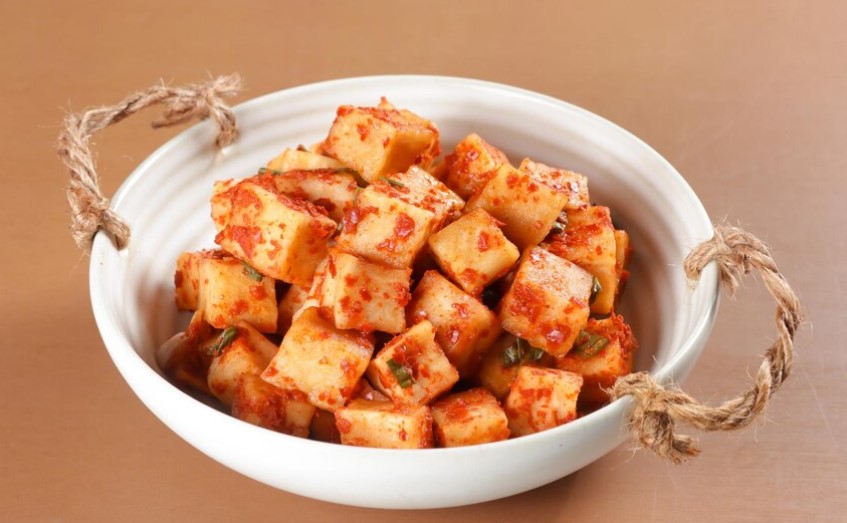
Because of its crunchy texture, Kkakdugi is particularly satisfying when eaten with softer dishes like rice or soups. It offers a different fermentation experience: slightly less pungent but with a more pronounced sweetness that mellows out the spice.
Kkakdugi is also rich in fiber, which not only aids digestion but helps regulate blood sugar and supports heart health. It’s the perfect choice for those looking for a kimchi that delivers both crunch and health benefits.
When summer hits or you’re craving something light and refreshing, Oi Sobagi—or cucumber kimchi—is the answer. This variety is less pungent than its cabbage or radish counterparts, offering a refreshing, crisp flavor that’s perfect for hot climates like Dubai’s. Oi Sobagi is made by stuffing cucumbers with a gochugaru-based paste, resulting in a crunchy, tangy bite that’s bursting with flavor yet light on the palate.
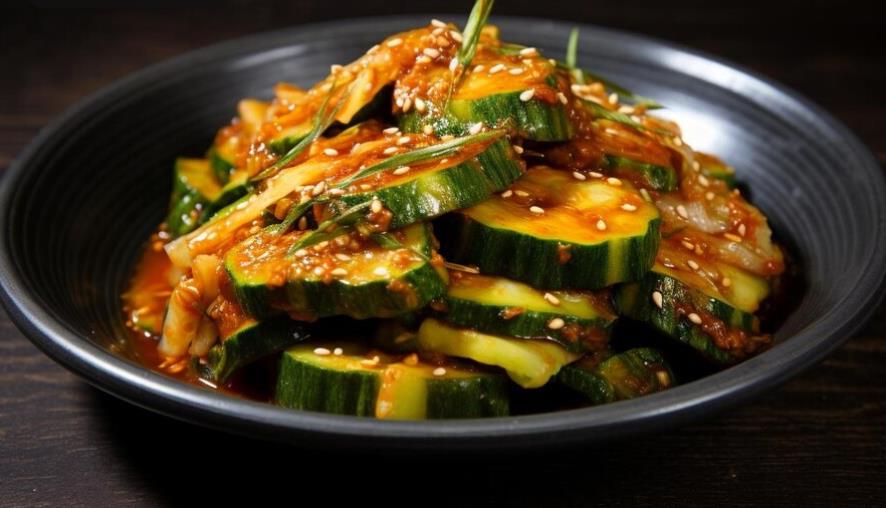
Cucumber kimchi doesn’t require long fermentation periods, making it an excellent option if you prefer a milder, fresher taste. The crispness of the cucumber, combined with the mildly spicy kick from the gochugaru, creates a delightful balance that pairs well with grilled meats, fish, or even as a palate cleanser between rich dishes. Oi Sobagi is ideal for those who want a taste of kimchi without the heavy fermentation notes of Baechu or Kkakdugi.
Not a fan of spicy food? Baek Kimchi, also known as white kimchi, skips the gochugaru altogether, making it a non-spicy alternative. Instead of spice, Baek Kimchi focuses on showcasing the natural flavors of the vegetables, often enhanced with ingredients like apple, pear, or pine nuts to add sweetness and crunch. The absence of heat allows the delicate sweetness of napa cabbage to shine, creating a gentler flavor profile that’s still rich in probiotics and nutrients.

This kimchi is perfect for children or those who want to enjoy the benefits of fermented foods without the fiery kick. The fermentation process still delivers that signature tang, but without the intense spice, making Baek Kimchi a versatile addition to any meal.
As global tastes evolve, so does kimchi. Vegan kimchi is now widely available, replacing traditional fish sauce with plant-based alternatives like soy sauce or miso. This version maintains the depth of flavor without using any animal products, making it accessible to a broader audience.
Beyond veganism, chefs and food enthusiasts have begun experimenting with fusion kimchi, adding ingredients like kale, beetroot, and even fruits like pineapple. These modern twists keep the essence of fermentation intact while offering new, exciting flavor combinations. Fusion kimchi is a testament to kimchi’s adaptability, proving that while the process may be traditional, the possibilities are endless.
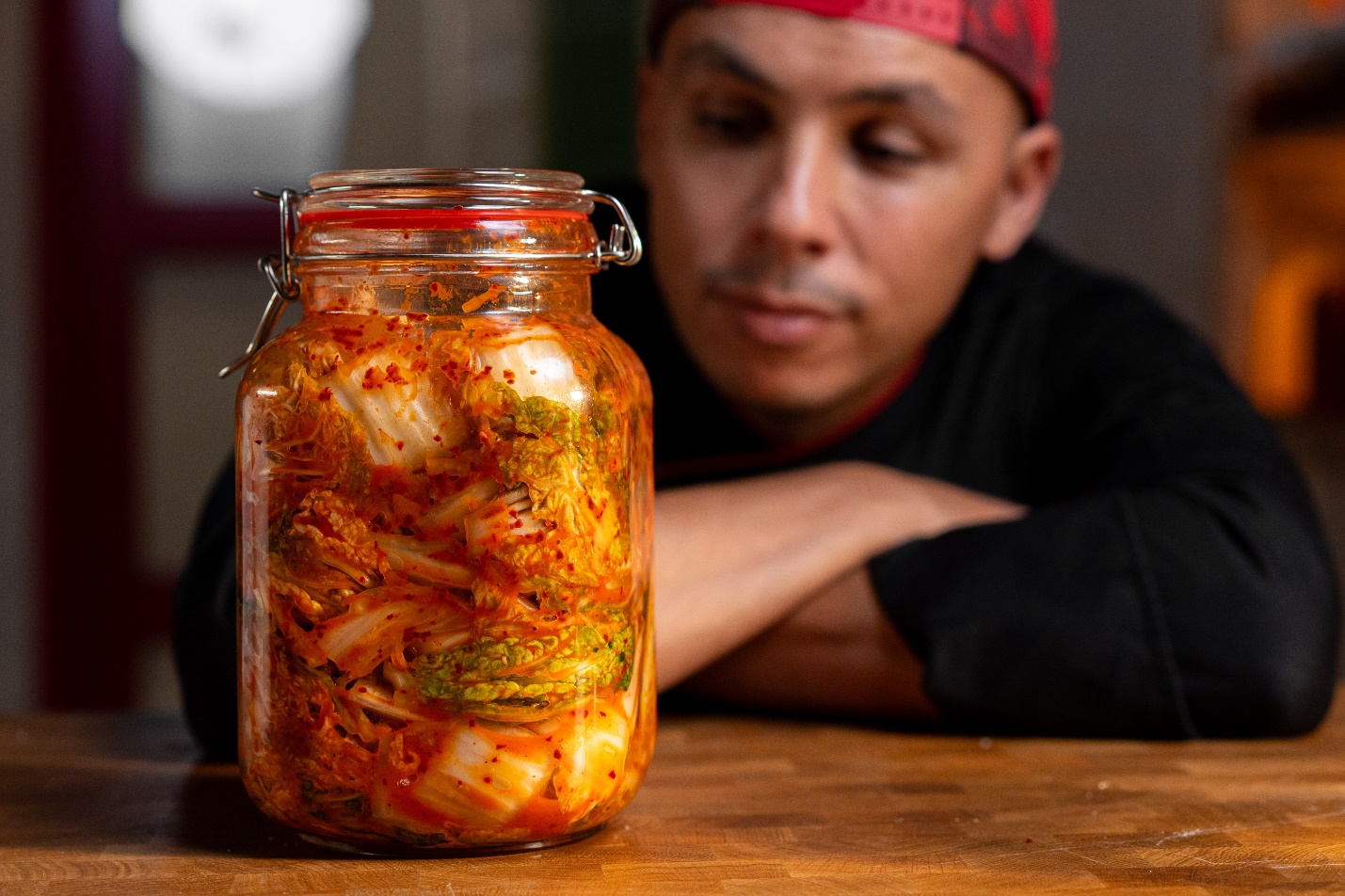
The true magic of kimchi happens during fermentation. As the cabbage (or radish, cucumber, or other vegetables) ferments, lactic acid bacteria develop, which gives kimchi its tangy flavor. The longer the fermentation process, the more intense the flavor becomes.
Fermentation is not just about developing flavor, though—it’s also the process that makes kimchi so beneficial for your health. The bacteria involved in fermentation transform the natural sugars in vegetables into probiotics, which support gut health, enhance digestion, and boost immunity.
Before the fermentation can even begin, the cabbage (or other vegetables) must be brined properly. There are two main brining methods: dry salting and wet brining.
The method you choose depends on your preference, but both are essential in preparing the vegetables for the fermentation process that follows.
At Tabchilli, we take pride in producing classic kimchi that stays true to traditional fermentation techniques while delivering rich, authentic flavors. Our kimchi is crafted with the finest ingredients, ensuring that each jar is packed with natural probiotics and nutrients.
Whether you’re looking for that fiery kick from Baechu kimchi, the crunch of Kkakdugi, or the refreshing bite of Oi Sobagi, Tabchilli has something for everyone. We leverage time-honored methods to create kimchi that not only tastes amazing but also promotes gut health and overall wellness.
Want to learn how to make your own kimchi? Join one of our fermentation workshops in Dubai, where we’ll teach you the art of making kimchi from scratch. Or, if you prefer, pick up a jar of our handcrafted kimchi and enjoy the flavors of traditional Korean fermentation at home.
Kimchi, a traditional Korean side dish, is now recognized globally for its health benefits, especially its positive impact on gut health. In Dubai, where wellness trends are flourishing, kimchi is gaining popularity as a nutrient-packed, probiotic-rich food. But why is it so beneficial for gut health? In this article, we’ll dive deep into the health advantages of kimchi, with a focus on its probiotic content, anti-inflammatory properties, and role in supporting a healthy digestive system.
One of the most well-known benefits of kimchi is its high probiotic content. Probiotics are beneficial bacteria that support gut health by maintaining the balance of microorganisms in the digestive system.
Kimchi is not just about probiotics—it’s also loaded with antioxidants. Ingredients like garlic, ginger, and chili pepper provide natural anti-inflammatory and antimicrobial benefits.
The combination of probiotics and antioxidants found in kimchi plays a key role in strengthening the immune system. Probiotics, in particular, can improve the body’s immune response by enhancing the function of immune cells and producing substances that ward off harmful bacteria.
If you’re looking to shed a few pounds, kimchi can be an excellent addition to your diet. This fermented dish is low in calories but high in fiber, making it both filling and nutritious.
5. Improves Heart Health
The fiber and antioxidants in kimchi not only benefit digestion but also promote a healthier heart. Research indicates that fermented foods like kimchi may help lower cholesterol levels and reduce blood pressure.
In addition to probiotics and antioxidants, kimchi is packed with essential vitamins and minerals like Vitamin A, B-complex vitamins, Vitamin C, iron, and calcium.
The fermentation process that makes kimchi so unique also supports digestive health. The probiotic bacteria in kimchi improve digestion by balancing the bacteria in the gut, aiding in the breakdown of food, and helping in the absorption of nutrients.
As the health benefits of kimchi become more widely known, its popularity is skyrocketing in Dubai. With a growing wellness scene, the demand for probiotic-rich, fermented foods is on the rise, making kimchi a sought-after product in health-conscious communities.
At Tabchilli, we produce probiotic-rich kimchi using traditional fermentation methods to ensure every jar delivers the maximum health benefits. Our kimchi is made with high-quality ingredients and naturally fermented to boost your gut health. Whether you want to try your hand at making kimchi in one of our workshops or buy our locally crafted kimchi in Dubai, we’ve got you covered. Try our kimchi today and experience the health benefits of traditional fermentation.
In the quest for natural preservation methods, pickling and fermentation stand as time-honoured techniques that not only extend the shelf life of foods but also enhance their nutritional value and flavour. At Tabchilli, we champion the movement towards a healthier planet and better health through the practice of fermentation.
This article delves into the histories, differences, similarities, and nutritional aspects of pickling and fermentation to demonstrate why fermentation, in particular, is the superior choice for those seeking both flavour and health benefits.
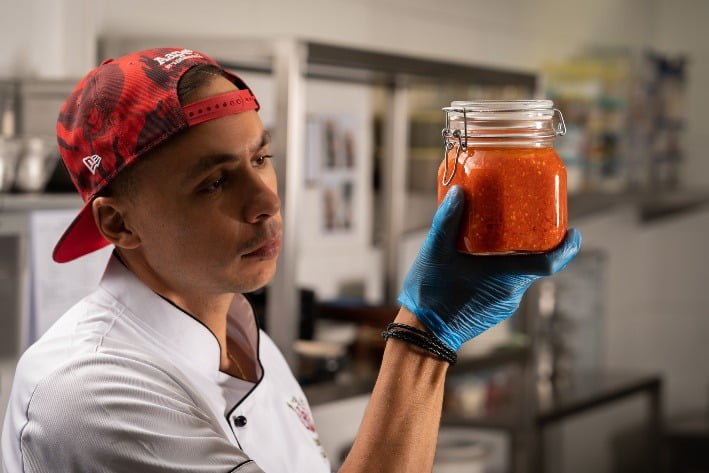
1. Pickling: Pickling, the process of preserving foods by immersion in vinegar or a brine (saltwater solution), has roots dating back to ancient civilizations. Historical records suggest that as early as 2400 B.C., the Mesopotamians used vinegar to preserve foods. The technique was employed by many ancient cultures, including Egyptians and Greeks, to preserve everything from cucumbers to meats.
2. Fermentation: Fermentation is arguably even more ancient, with evidence suggesting that early civilizations such as the Babylonians were making fermented beverages around 5000 B.C. This process involves the conversion of carbohydrates to alcohols and carbon dioxide or organic acids using yeasts, bacteria, or a combination thereof, under anaerobic conditions. Cultures around the world have used fermentation to preserve dairy products, vegetables, and meats in forms that we continue to enjoy today.
1. Preservation Method:
• Pickling: Uses vinegar or a saline solution to create an acidic environment that inhibits bacterial growth.
• Fermentation: Relies on natural or added bacteria to convert sugars into acids, creating a naturally acidic environment.
2. Flavor Development:
• Pickling: Typically results in a sharp, tangy taste due to the use of vinegar.
• Fermentation: Produces complex flavors through the metabolic processes of bacteria, often resulting in a deeper, richer taste.
3. Nutritional Value:
• Pickling: Can preserve nutrients, but the high acidity and heat can degrade or leach out vitamins.
• Fermentation: Often increases the levels of vitamins and introduces beneficial enzymes and probiotics.
4. Health Benefits:
• Pickling: Provides basic gut health benefits through acetic acid.
• Fermentation: Offers enhanced gut health benefits due to live probiotics that support the digestive system and improve gut flora.
5. Time for Processing:
• Pickling: Can be quick, especially with modern methods that use vinegar.
• Fermentation: Requires a longer process, often taking several days to weeks, allowing for the full development of flavors.
1. Natural Preservation: Both methods extend the shelf life of perishable foods.
2. Enhanced Flavors: Both introduce new, often improved, flavors to the original foods.
3. Cultural Significance: Each technique has a rich history and is deeply rooted in various cultures worldwide.
4. Economic Benefits: They offer economical ways to preserve seasonal foods for year-round use.
5. Sustainability: Both methods reduce food waste by preserving excess produce.
Types of Pickled vs. Fermented Foods:

1. Pickled Foods:
• Cucumbers: The classic pickled cucumber or “pickle” is perhaps the most familiar pickled food.
• Carrots: Often pickled in a mix of vinegar, sugar, and spices.
• Onions: Commonly pickled in vinegar and served as a condiment.
• Cauliflower and Other Vegetables: Mixed vegetable pickles often include a variety of spices and seasoning.
• Fruits: Such as pickled plums and cherries, which are popular in some cultures.
2. Fermented Foods:
• Sauerkraut: Fermented cabbage, known for its digestive benefits.
• Kimchi: A Korean staple that includes fermented cabbage along with radishes and other ingredients.
• Kefir: A fermented milk drink with a tangy flavor.
• Kombucha: A fermented tea that is rich in probiotics and antioxidants.
• Miso: A Japanese seasoning produced by fermenting soybeans with salt and a fungus known as koji.
•Fermenting Cucumbers:
• Process: Cucumbers are placed in a saltwater brine with spices, sealed loosely, and left to ferment at room temperature. Beneficial bacteria convert sugars into lactic acid.
• Result: Known as “sour pickles,” these cucumbers develop a tangy, complex flavor and contain live probiotics.
• Pickling Cucumbers:
• Process: Cucumbers are submerged in a vinegar solution with spices, then sealed and sometimes processed for shelf stability.
• Result: Known as “vinegar pickles,” these cucumbers have a sharp tang and lack probiotics.

While both pickling and fermentation enhance the preservation and taste of food, fermentation is particularly notable for its health benefits. Fermented foods are rich in probiotics, beneficial bacteria that play an essential role in gut health, immunity, and overall well-being. Unlike pickled foods, which often contain only vinegar-induced bacteria, fermented foods include a variety of live organisms that contribute to a healthier gut microbiome.
Fermentation not only preserves but also transforms the flavor of foods, creating products with unmatched depth and complexity. For example, sauerkraut and kimchi offer flavors that are both tangy and earthy, with nuances that simply cannot be achieved through pickling alone.

At Tabchilli, we are committed to supporting a healthier planet and promoting better health through the ancient art of fermentation. While pickling has its merits, fermentation stands out as a superior preservation method that enriches the nutritional profile and flavor of foods. By embracing fermentation, we encourage a movement towards more sustainable living practices and a deeper appreciation for the foods we eat. Join us in this healthful journey, where each bite is a step towards a healthier world.
This exploration into the depths of pickling and fermentation not only highlights the unique benefits of each method but also solidifies why fermentation, particularly through initiatives like Tabchilli, is pivotal for future food sustainability and global health.
Fermentation is one of the oldest food preservation techniques known to humanity, and its impact on global cuisine cannot be overstated. From ancient China to the Middle East and, more recently, to the bustling city of Dubai, fermented foods have been cherished for their unique flavors, health benefits, and cultural significance.

At Tabchilli, we carry forward this rich tradition, crafting products that honor the ancient art of fermentation while catering to modern tastes. This article delves into the fascinating history of fermented foods, their journey through the Middle East, and their growing popularity in Dubai, with a special focus on how Tabchilli is leading the way in this culinary revival.
Fermentation has been used for thousands of years across different cultures and continents. The process, which involves the natural breakdown of sugars by bacteria and yeast, was likely discovered by accident but quickly became an essential method of food preservation.
Asia: In ancient China, as far back as 7000 BCE, people were fermenting rice, honey, and fruit to make alcoholic beverages. The practice of fermenting vegetables, particularly cabbage, also has deep roots in Asia, leading to the creation of kimchi in Korea and pickled vegetables in Japan.
Europe: Fermentation was equally significant in Europe. Sauerkraut, a type of fermented cabbage, became a staple in Germanic regions, while yogurt and kefir gained popularity in Eastern Europe. These foods not only preserved the harvest but also provided essential nutrients during long winters.
Africa: In Africa, fermentation has long been used to produce beverages like beer and porridge, as well as to preserve foods such as fish and grains. The process was crucial in regions where refrigeration was not an option, allowing communities to store food safely for extended periods.The Americas: Indigenous peoples of the Americas also practiced fermentation, particularly in the production of alcoholic beverages like chicha in South America. In Mesoamerica, the fermentation of maize led to the creation of pozol, a fermented corn dough drink.

The Middle East, with its rich culinary history, has a deep connection to fermentation. For centuries, the region has been home to a variety of fermented foods and beverages that are still enjoyed today.
Dairy: One of the most prominent examples is the fermentation of dairy products. Yogurt, known as “leben” in Arabic, has been consumed in the Middle East for thousands of years. It is a staple in many Middle Eastern diets, valued for its creamy texture, tangy flavor, and probiotic benefits.
Fermented Vegetables: Pickles, or “torshi,” are another Middle Eastern favorite. Vegetables such as cucumbers, turnips, and eggplants are often fermented in vinegar or brine, creating a tangy, flavorful side dish that complements many traditional meals.
Bread: Fermented bread, particularly sourdough, has also been a part of Middle Eastern cuisine for centuries. The natural fermentation process not only leavens the bread but also enhances its flavor and digestibility.Fermented Beverages: In addition to dairy and vegetables, the Middle East has a history of fermenting beverages. Arak, a traditional alcoholic drink made from anise and grapes, undergoes a fermentation and distillation process. While alcoholic drinks are less common in the region due to cultural and religious practices, non-alcoholic fermented beverages like kombucha are becoming increasingly popular.

Dubai, with its melting pot of cultures and cuisines, has embraced the global trend of fermented foods. As more people in the city become aware of the health benefits of probiotics and fermented products, the demand for these foods has grown.
Health Consciousness: The rise of health-conscious eating in Dubai has played a significant role in this trend. Residents and visitors alike are seeking out foods that support gut health, boost immunity, and enhance overall well-being. Fermented foods, rich in probiotics, fit perfectly into this narrative.
Culinary Innovation: Dubai’s food scene is known for its innovation and willingness to experiment with new flavors and techniques. This openness has paved the way for the introduction of various fermented foods from around the world, from kimchi and kombucha to kefir and miso.
Local Adaptation: While Dubai is a hub for international cuisine, there is also a growing interest in adapting traditional Middle Eastern foods to include fermentation. This fusion of old and new is creating exciting culinary possibilities, blending the region’s rich heritage with modern health trends.

At the heart of Dubai’s fermented food movement is Tabchilli, a brand dedicated to bringing the best of traditional fermentation to the city’s vibrant food scene. Our products are crafted with care, using time-honored techniques to create flavors that are both familiar and new.
Our Products: Tabchilli offers a range of fermented foods that cater to diverse tastes and dietary needs. From our signature fermented hot sauce, which blends the heat of chili peppers with the tanginess of fermentation, to our probiotic-rich sauerkraut and kimchi, each product is designed to deliver maximum flavor and health benefits.
Commitment to Quality: We take pride in using only the highest quality ingredients in our products. Our fermentation process is carefully monitored to ensure that each batch is packed with live probiotics and bursting with flavor. Whether you’re looking for a spicy kick or a tangy bite, Tabchilli has something to satisfy your palate.
Education and Community: At Tabchilli, we believe in more than just making great food; we’re passionate about sharing the art of fermentation with our community. Through workshops, events, and educational content, we aim to demystify the fermentation process and inspire others to explore the benefits of fermented foods. We offer workshops where participants can learn to make their own fermented foods at home, fostering a deeper connection to the food they eat.
Sustainability: We are also committed to sustainability, using fermentation as a way to reduce food waste. By turning surplus vegetables into delicious, long-lasting products, we contribute to a more sustainable food system. Our products are not only good for your health but also for the planet.
Conclusion
The history of fermented foods is a testament to human ingenuity and the desire to preserve and enhance the food we eat. From ancient times to the modern day, fermentation has played a crucial role in shaping global cuisine. In Dubai, this tradition is being revitalized, with Tabchilli leading the way in crafting high-quality, probiotic-rich products that honour the past while embracing the future. Whether you’re new to fermented foods or a seasoned enthusiast, we invite you to explore the delicious world of fermentation with Tabchilli and discover how our products can enhance your health and culinary experience
 15-day money back guarantee

686+ reviews